What Schools Should Consider When Improving Indoor Comfort

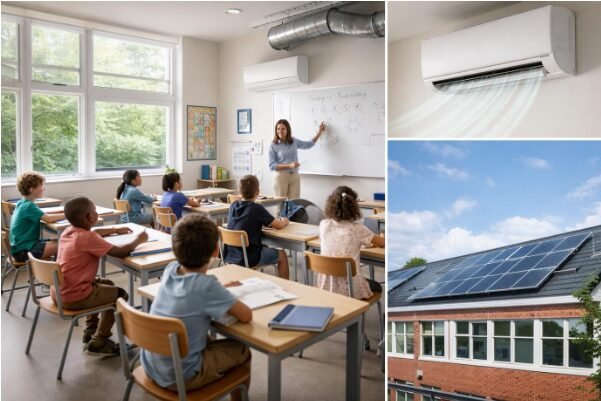
Creating a comfortable indoor environment is essential for schools across the UK. Classrooms that are too warm, poorly ventilated, or inconsistent in temperature can affect concentration, wellbeing, and overall learning outcomes. As schools continue to modernise their facilities, improving indoor comfort has become a key priority for both teaching staff and governing bodies.
One of the most effective ways to achieve consistent temperatures and good air quality is through carefully planned air conditioning systems for schools. When designed specifically for educational environments, these systems help regulate heat levels, support ventilation, and create conditions that allow pupils and staff to perform at their best.
This article explores the main factors schools should consider when planning improvements to indoor comfort, from temperature control and air quality to energy efficiency and long term maintenance.
Why Indoor Comfort Matters in Educational Settings
The learning environment plays a significant role in pupil engagement and academic performance. Research and practical experience show that uncomfortable classrooms can lead to reduced focus, fatigue, and increased behavioural issues.
Improving indoor comfort supports:
- Better concentration and learning outcomes
- Increased staff productivity and wellbeing
- Reduced absenteeism during extreme weather
- A calmer and more positive classroom atmosphere
By addressing comfort proactively, schools can create spaces that support both education and health.
Managing Temperature Throughout the Year
Schools face unique challenges when it comes to temperature control. Classrooms often contain many occupants, electronic equipment, and large windows, all of which can contribute to overheating, particularly during warmer months.
Effective temperature management should consider:
- Seasonal changes and heatwaves
- Varying room sizes and occupancy levels
- Different usage patterns across the school day
A balanced approach ensures classrooms remain comfortable without excessive reliance on opening windows, which can introduce noise and outdoor pollutants.
The Importance of Air Quality and Ventilation
Good air quality is just as important as temperature control. Poor ventilation can lead to stale air, increased carbon dioxide levels, and the spread of airborne illnesses. In busy school environments, maintaining fresh airflow is essential.
Improved ventilation helps to:
- Reduce the build up of pollutants and allergens
- Support pupil health and reduce illness
- Create a fresher and more comfortable learning space
Modern climate control solutions can integrate ventilation with temperature regulation, ensuring a steady supply of clean air throughout the day.
Energy Efficiency and Running Costs
Budget considerations are a major concern for schools. Any improvement to indoor comfort must balance performance with energy efficiency to keep running costs under control.
Energy efficient systems offer several advantages:
- Lower electricity consumption
- Reduced long term operating expenses
- Improved environmental performance
- Compliance with sustainability goals
Choosing systems designed for educational settings helps schools manage comfort responsibly while staying within financial constraints.
Noise Levels and Classroom Focus
Excessive noise can be highly disruptive in classrooms. Any equipment installed to improve indoor comfort must operate quietly to avoid distracting pupils and teachers.
Key considerations include:
- Low noise operation during lessons
- Minimal vibration and background sound
- Suitable placement of equipment to reduce disruption
Quiet systems help maintain a focused learning environment while still delivering effective climate control.
Tailored Solutions for Different School Areas
Not all areas of a school have the same requirements. Classrooms, assembly halls, libraries, and staff rooms all have different occupancy levels and usage patterns.
A well planned approach should account for:
- Individual room sizes and layouts
- Peak usage times
- Special areas such as computer rooms or science labs
Tailored solutions ensure each space receives the level of comfort it needs without wasting energy.
Health and Safety Considerations
Any improvement to indoor comfort must comply with health and safety standards. Schools have a duty of care to ensure systems are safe, reliable, and suitable for use around children.
Important factors include:
- Safe installation and operation
- Clear controls that staff can manage easily
- Regular inspections and servicing
Well maintained systems reduce risks and ensure consistent performance throughout the school year.
Planning for Long Term Reliability
Schools require solutions that deliver dependable performance over many years. Downtime or system failures can disrupt learning and lead to costly repairs.
Long term reliability depends on:
- Quality of installation
- Use of durable components
- Ongoing maintenance and servicing
Investing in professional design and installation helps avoid common issues and extends system lifespan.
The Role of Professional Expertise
Improving indoor comfort in schools is not a one size fits all process. Professional expertise ensures that systems are designed around the specific needs of educational environments.
Specialist support helps schools:
- Assess current comfort challenges
- Design efficient and compliant solutions
- Ensure smooth installation with minimal disruption
- Plan ongoing maintenance effectively
Expert input ensures that improvements deliver real benefits for both pupils and staff.
Final Thoughts
Improving indoor comfort is a valuable investment for schools looking to support learning, wellbeing, and long term building performance. By focusing on temperature control, air quality, energy efficiency, and safety, schools can create environments where pupils and teachers can thrive.
Well designed air conditioning systems for schools play an important role in achieving these goals when implemented thoughtfully and professionally. With careful planning and the right expertise, schools can enhance comfort, reduce operational challenges, and provide a healthier and more productive setting for education now and in the future.