11 Small Office with Daybed Layout Ideas

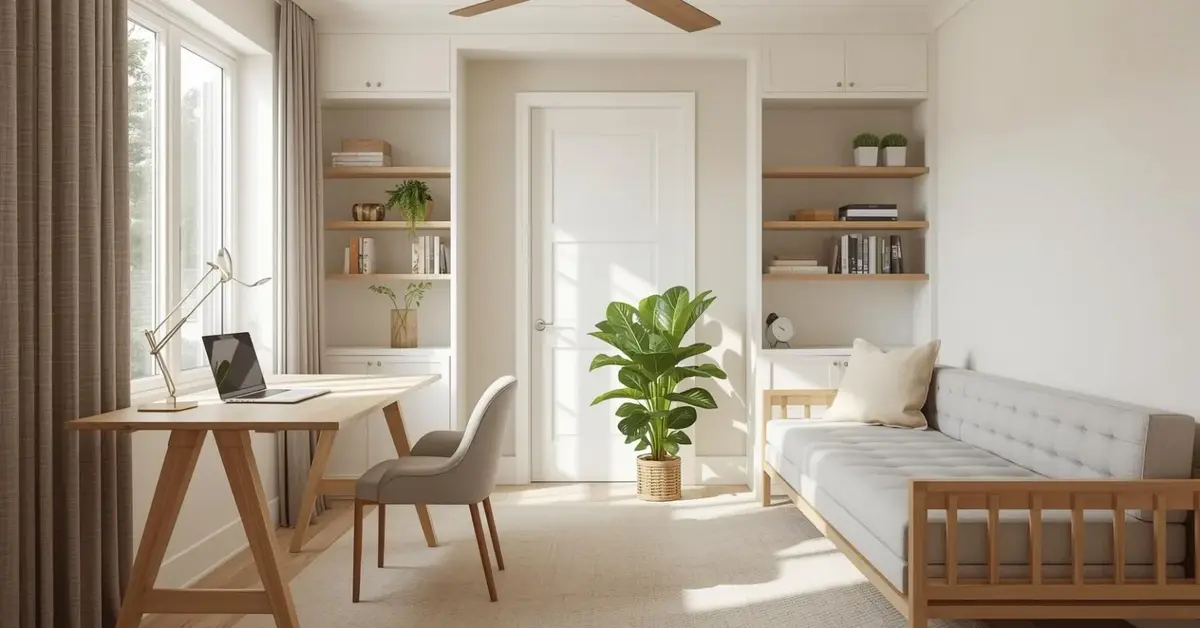
Designing a small office that also includes a daybed is not just about saving space. It’s about creating a room that works for two different needs: a place to focus during the day and a spot to rest or host an overnight guest when needed. Many people work from home now, and having a layout that supports both work and comfort makes the room more useful every day. With a careful plan, even a compact room can fit both pieces without feeling cramped or messy.
This guide shares 11 layout ideas that balance function, comfort, and style. Each idea is based on real design principles that have worked for decades in small homes.
1. Placing the Daybed Against the Longest Wall
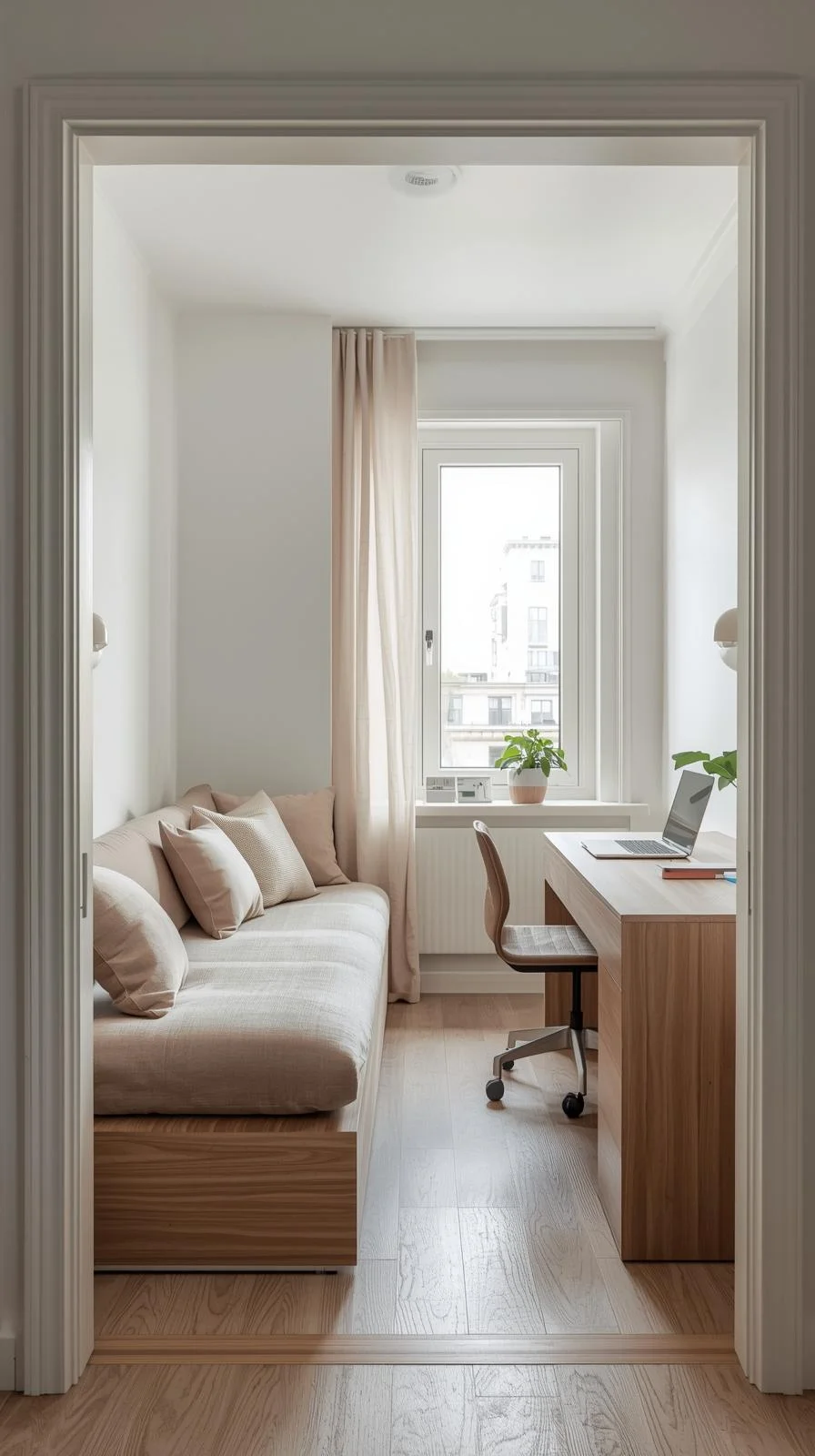
When a room is small, the longest wall often becomes the best anchor for the biggest furniture. A daybed placed there feels natural and doesn’t interrupt the flow of the room. It can act as a couch during the day and a bed at night. The desk can then fit along the opposite wall or near a window. This setup leaves the middle of the room open, which makes the space feel bigger than it is.
The advantage of this layout is how clean it looks. The daybed feels like part of the wall rather than taking up the whole room. If you choose a simple frame, the bed can blend into the office environment without looking out of place.
2. Using a Corner Layout for Desk and Daybed
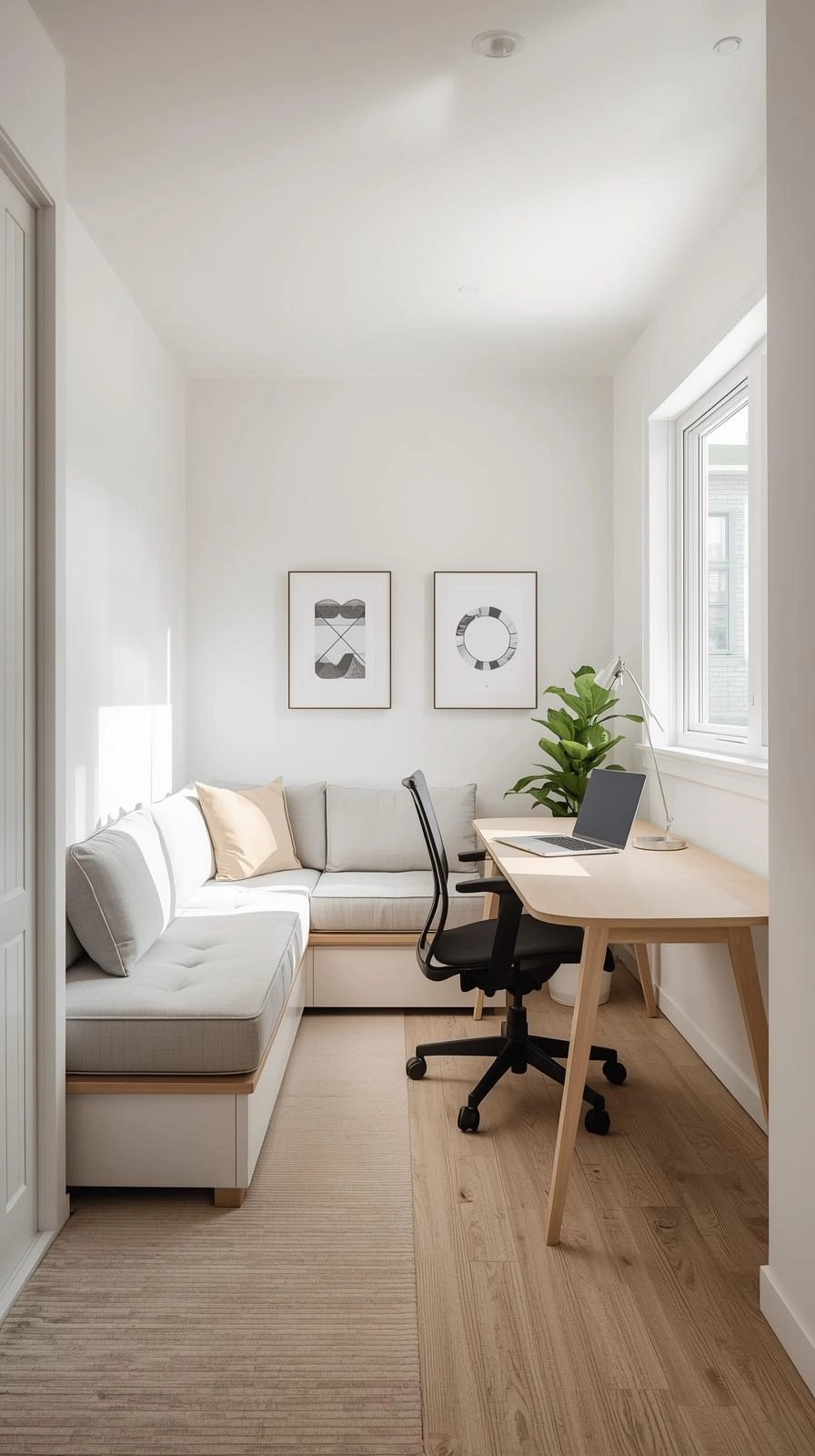
Corners are powerful in small spaces. If you push a daybed into one corner and place the desk in the opposite corner, the layout feels balanced. Each zone has its own side, and there is no competition for space.
This type of setup works well for people who need separation while working. The desk can face away from the bed, which keeps the focus on work. The bed then becomes a cozy nook, almost like a small lounge area within the office.
3. Floating Desk with Daybed Along the Window
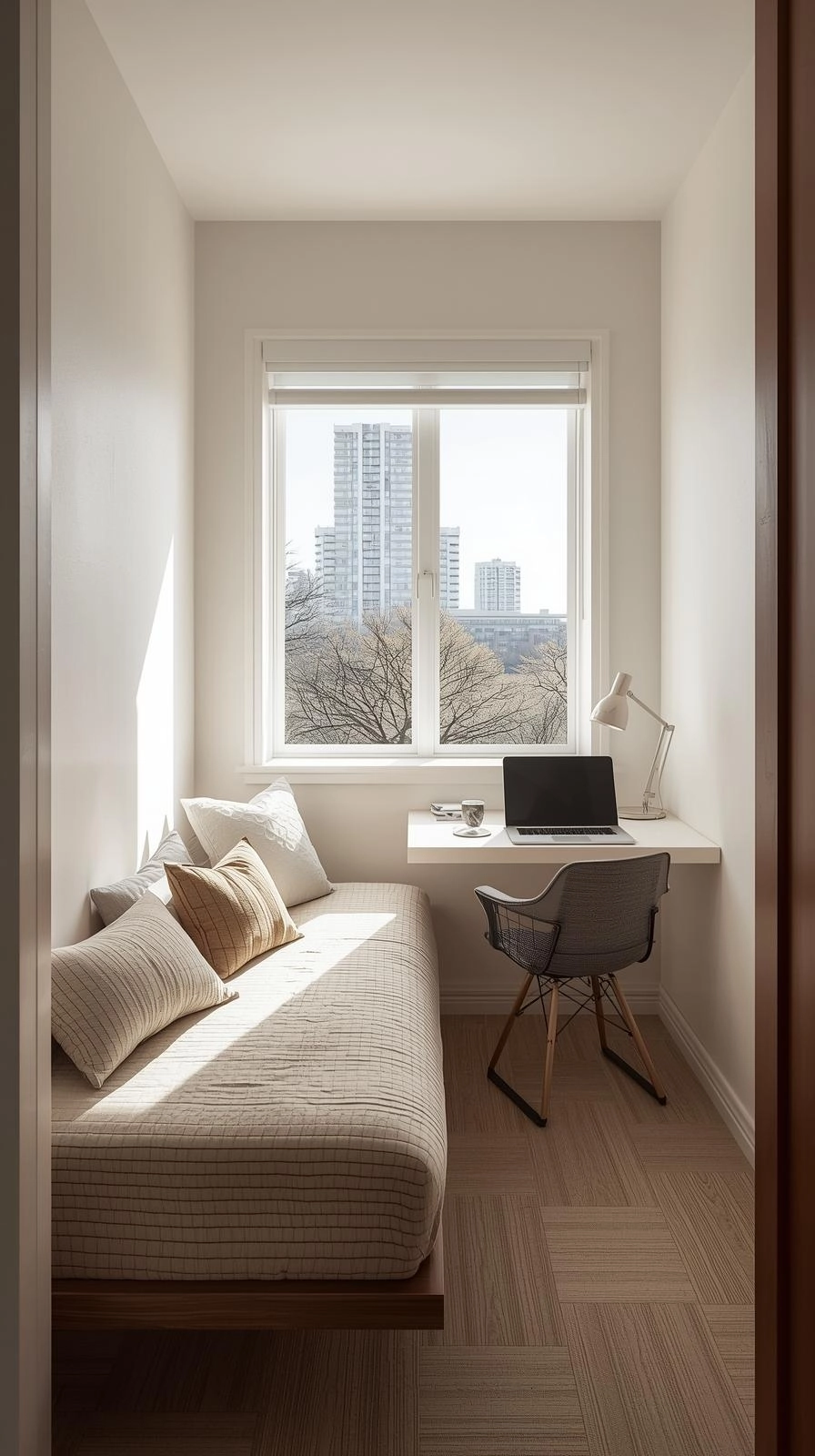
Sometimes the window wall is the best spot for the daybed. Natural light makes the space around the bed inviting and cheerful. A floating desk placed at a right angle nearby can create a light-filled workspace without blocking the window.
This layout is perfect if the room is narrow. The bed sits lengthwise under the window, while the desk juts out to form a T-shape arrangement. It feels structured but also soft because of the light.
4. Built-in Daybed with Overhead Storage
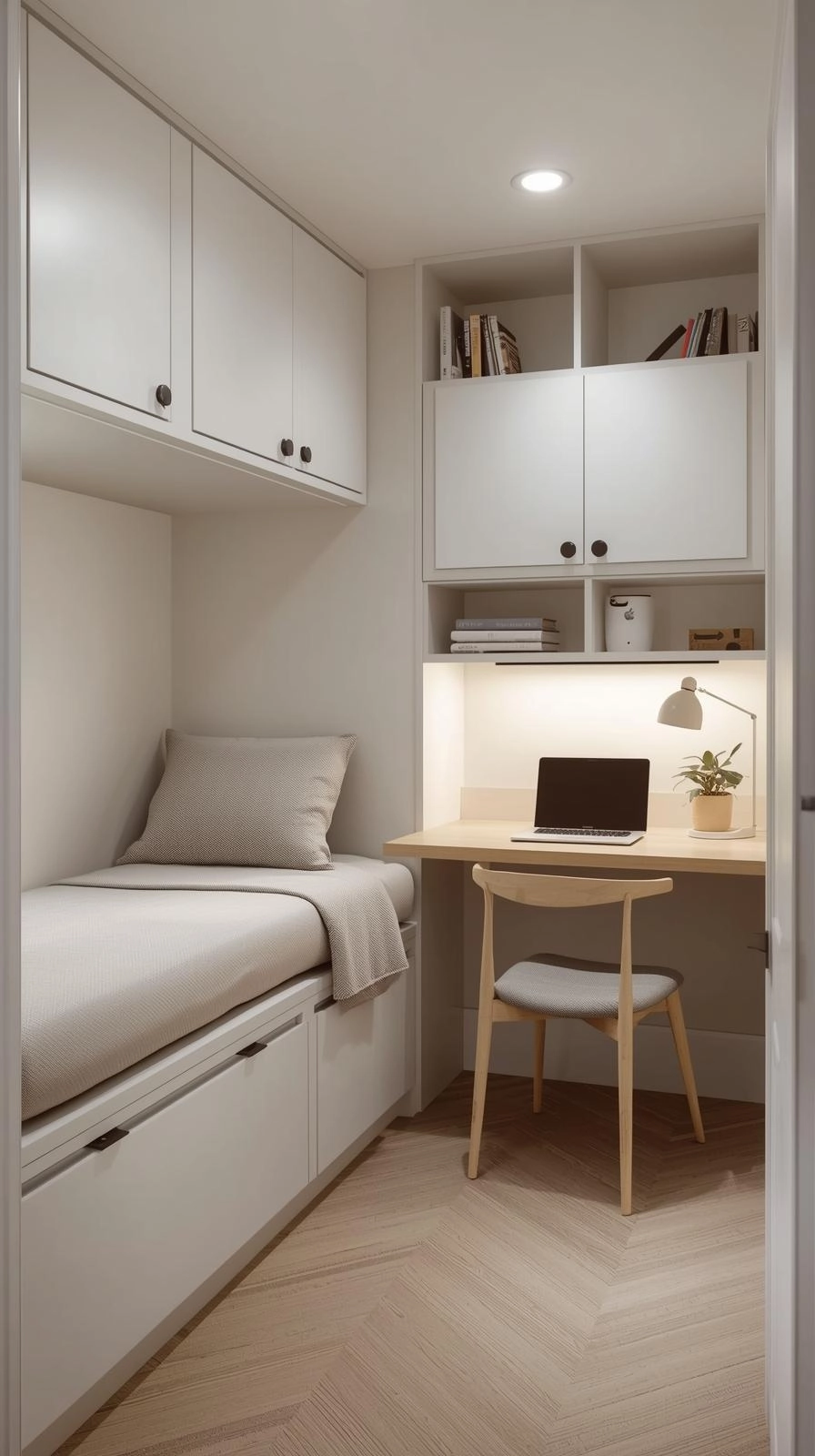
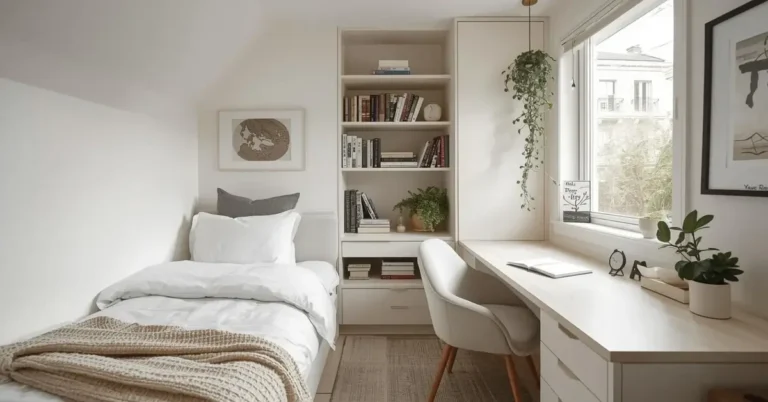
If the room is very small, a built-in daybed is one of the most efficient choices. The bed frame can include drawers below and shelves or cabinets above. This makes the daybed feel like part of the office design instead of a separate piece.
The desk can fit next to the built-in unit or across from it. This creates a wall of function that includes sleep, work, and storage. The rest of the room can stay open, which makes it easier to move around.
5. Parallel Layout for Easy Flow
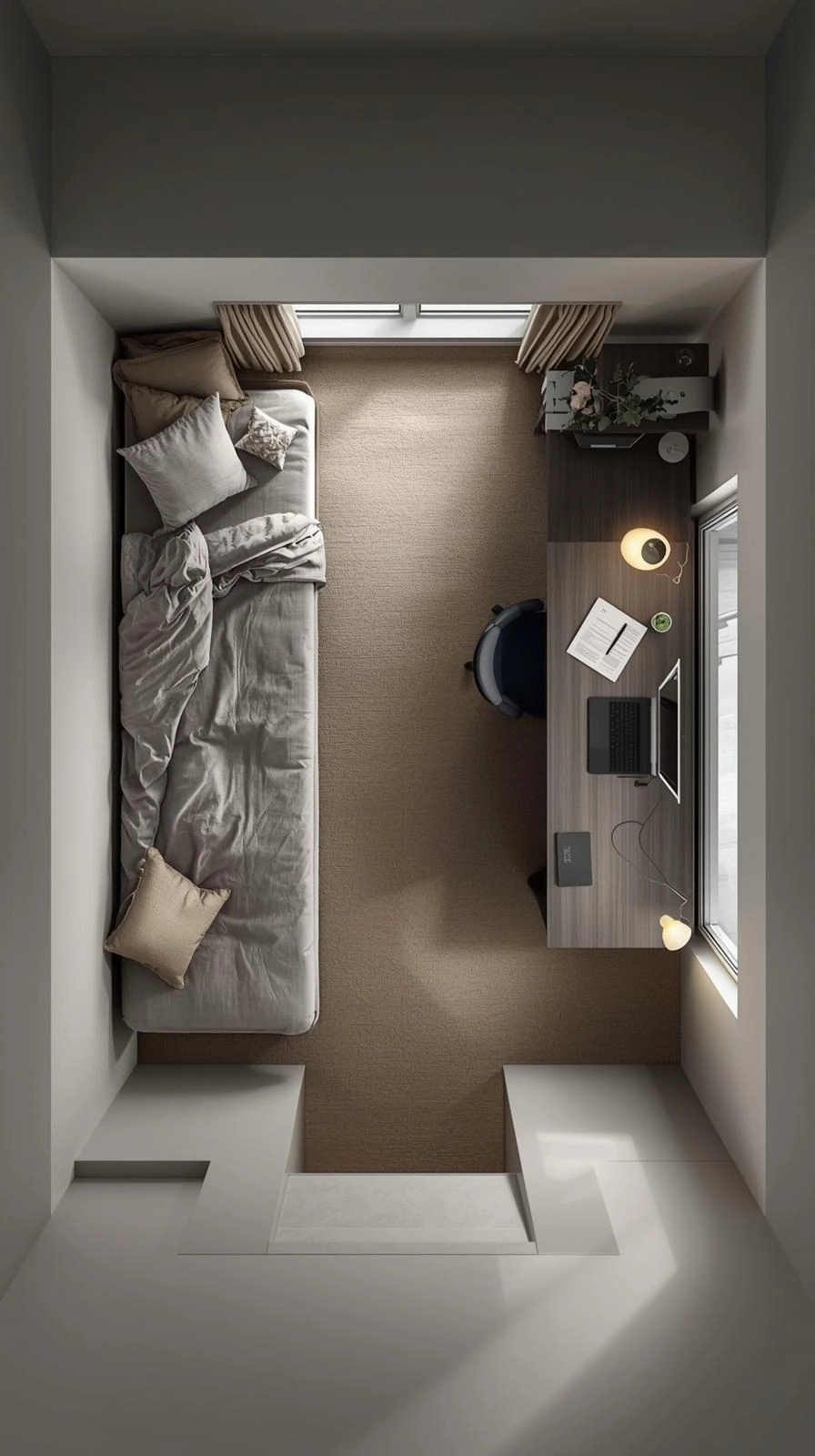
In a rectangular room, placing the desk and daybed parallel to each other works well. The daybed sits against one wall, and the desk lines up directly across on the other side. This type of mirrored arrangement makes the room feel organized and easy to use.
It also allows for clear walking space in the middle. People who like order and balance often find this setup calming. The desk faces the bed, which can be handy if you want to use the daybed for quick reading breaks during the day.
6. L-Shaped Arrangement in the Corner
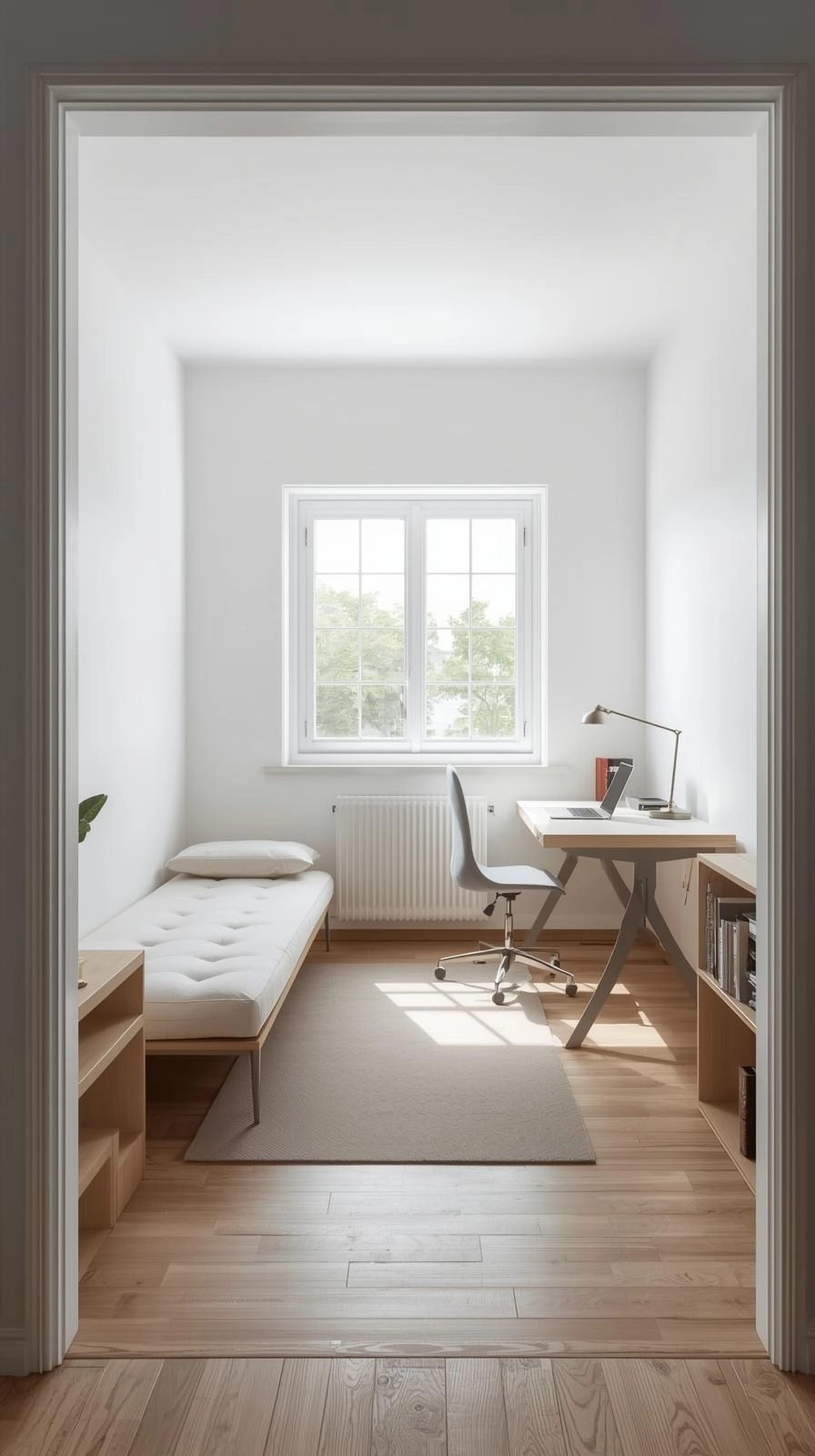
An L-shaped layout combines the desk and daybed in the same corner, each forming one side of the L. This works especially well if the desk is small. It creates a compact, efficient zone where everything is close but not cluttered.
This design helps keep the rest of the room open. If you want to add a rug, bookshelf, or small table, there is still room left. The key to this layout is keeping the furniture lines clean so the two pieces work together as one unit.
7. Desk Facing Window with Daybed at the Side
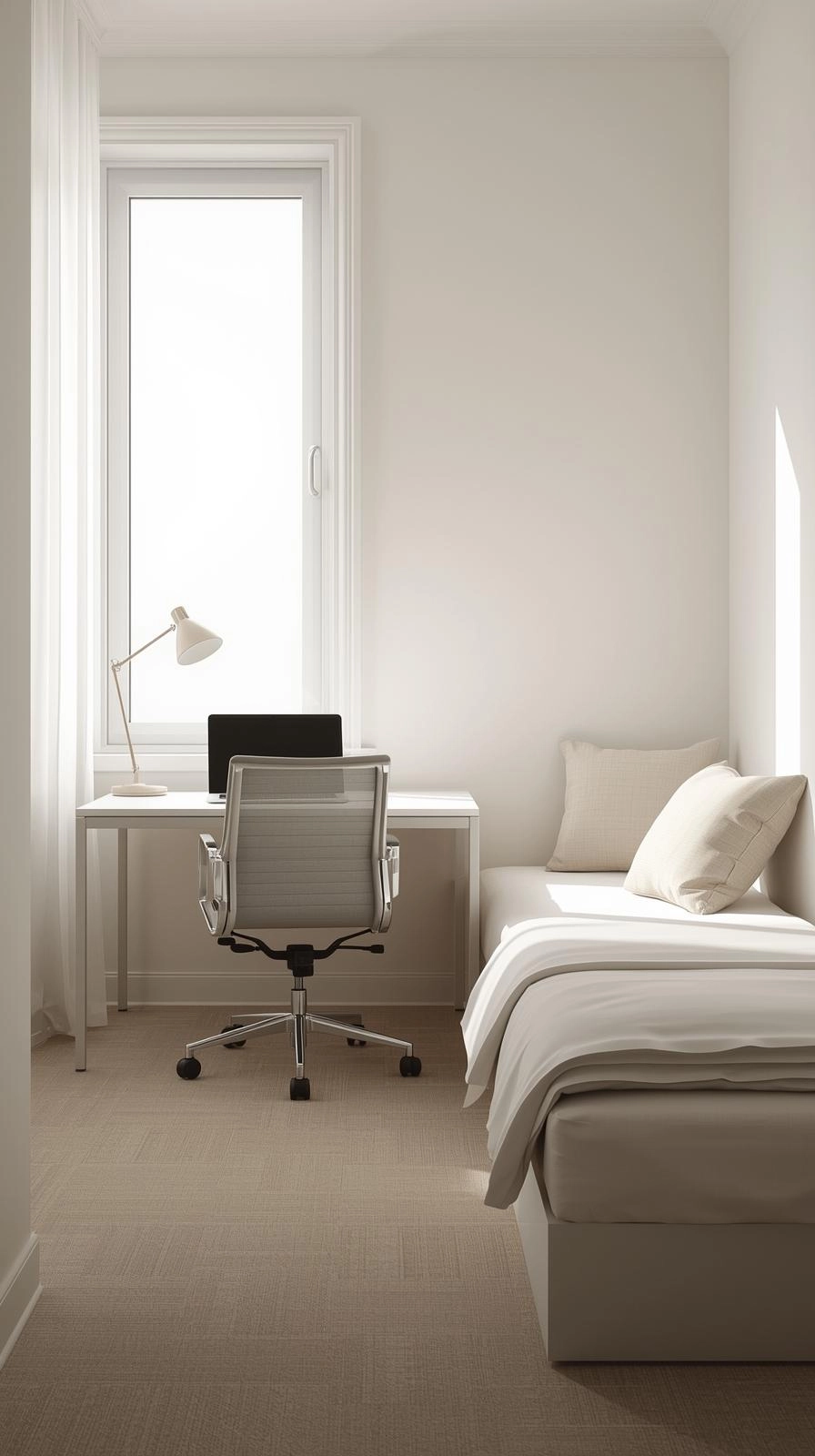
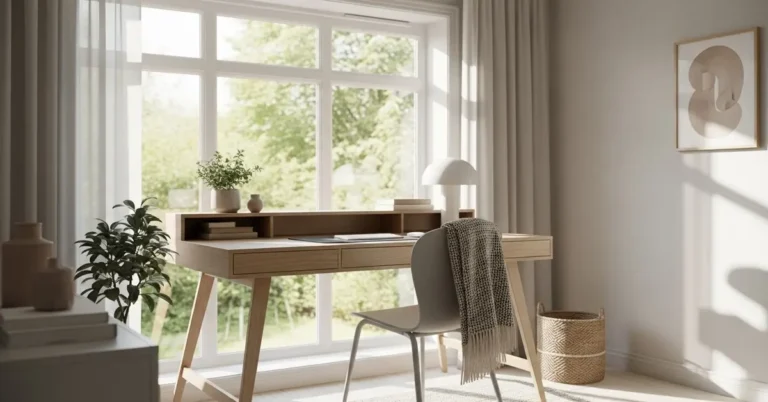
For people who need strong focus while working, facing the desk toward the window is the best setup. Natural light helps energy and mood. The daybed can then sit along the adjacent wall at a right angle.
This layout keeps the desk as the priority. When you look up from work, the daybed is at the side, ready when you want to take a short break. It doesn’t distract from the main work zone.
8. Studio-Style Layout with Daybed Divider
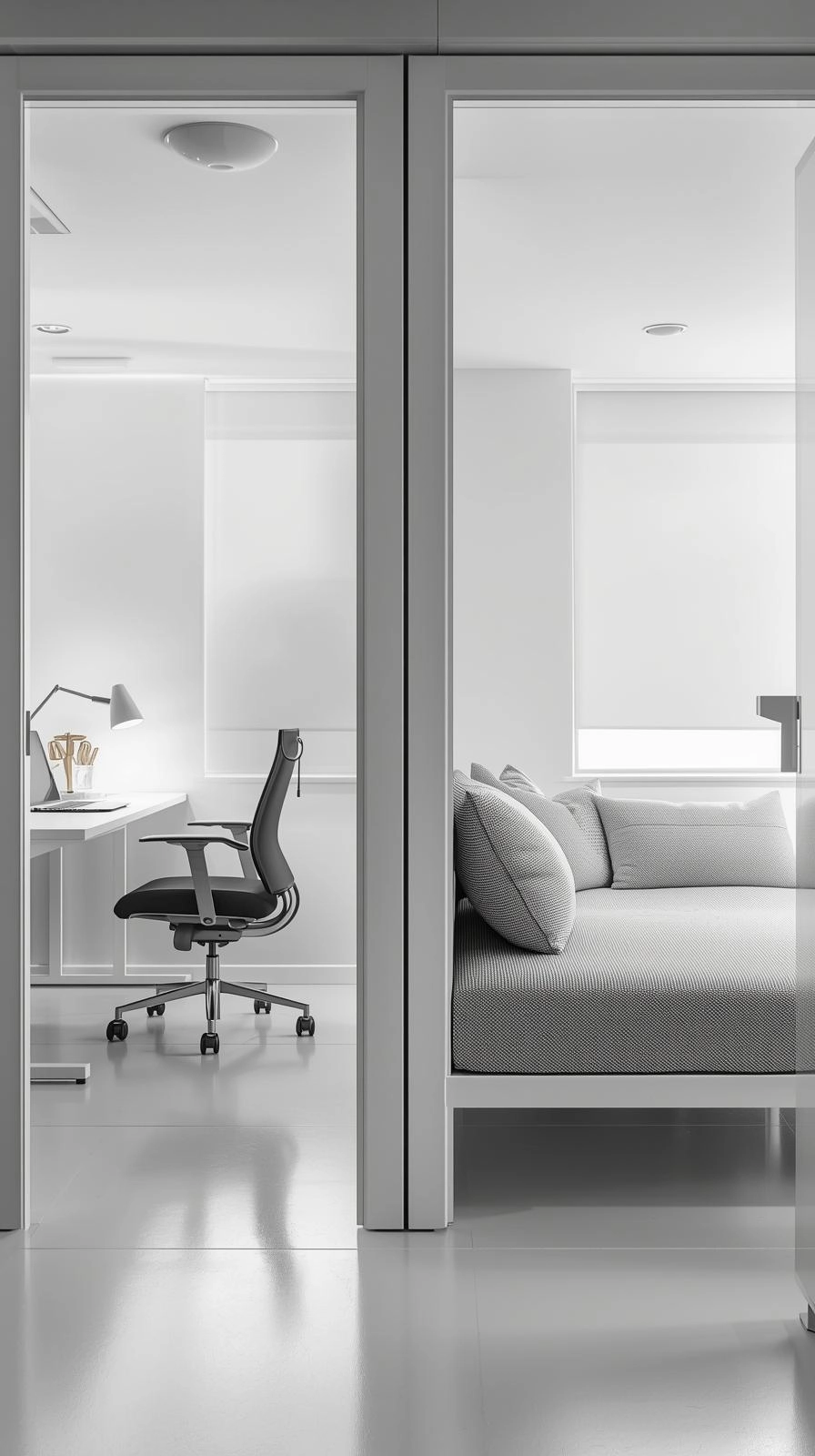
In a very small room, the desk and bed can feel like they are too close. One solution is to treat the daybed like a divider. Place it lengthwise in the room so it partly separates the work zone from the rest zone. The desk can fit on the opposite side of the bed.
This makes the daybed act almost like a wall or partition. It defines two zones without adding bulky dividers. The space feels like a small studio where work and rest each have their own corner.
9. Compact Desk at the Foot of the Daybed

When space is tight, placing a desk at the foot of the daybed can be smart. The two pieces fit in a line, which uses the length of the wall rather than the width. This keeps the room open and simple.
It also makes good use of space that would otherwise stay empty. A slim desk works best here so the room does not feel blocked. This is a good choice for very narrow rooms or for people who want everything in one straight line.
10. Daybed with Fold-Out Desk Option
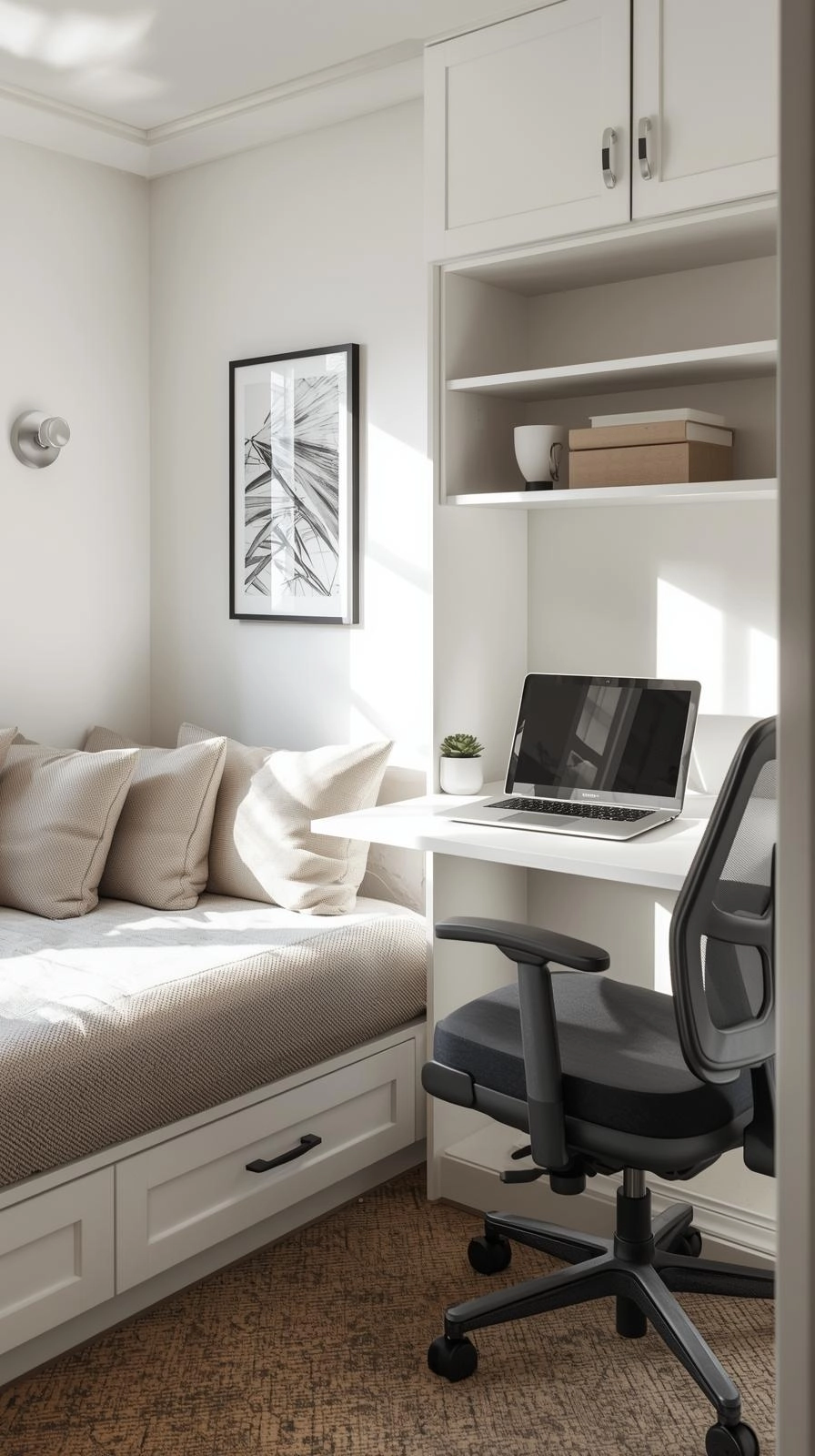
Some people need a desk only part of the time. In that case, pairing a daybed with a fold-out desk makes sense. The desk can stay closed when not in use, leaving the room feeling more like a guest space. When work time comes, it folds down and creates a proper surface.
This is ideal for multipurpose rooms where the main focus is not always work. It gives flexibility without crowding the layout. The daybed stays ready at all times, while the desk appears only when needed.
11. Centered Daybed with Desk on Both Sides
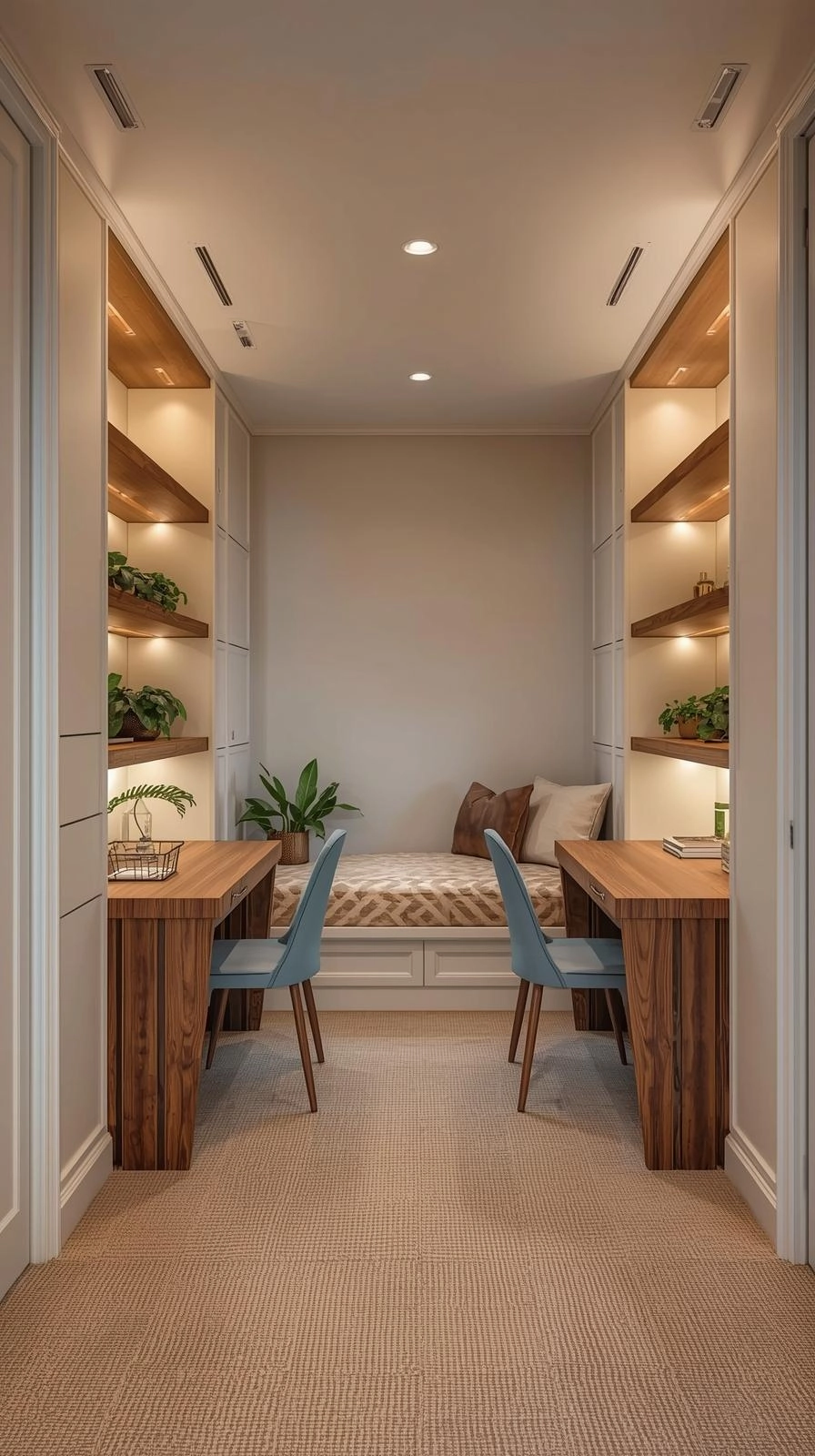
In a slightly wider room, the daybed can go in the center of one wall with the desk and storage spread on both sides. This makes the bed look like part of a planned design rather than an afterthought. The desk can be built-in or freestanding, creating a natural frame around the daybed.
This arrangement feels structured and balanced. It works well if you want the room to serve as both an office and a welcoming guest room. The bed looks intentional, and the desk area feels complete.
Making a Small Office with Daybed Work Long-Term
The success of these layouts depends on more than just where you place the furniture. Storage plays a big role. Drawers under the daybed, floating shelves above the desk, or slim cabinets in unused corners help the room stay tidy. A small office can quickly feel crowded if clutter builds up, so planning for storage early is key.
Lighting also matters. A desk lamp with clear light keeps the work area strong, while softer lamps near the daybed create a relaxing mood. Using both types allows the room to shift easily from office hours to rest time.
The style of the daybed should also fit the office. A frame that looks like a sofa can help it blend in during the day, while a simple mattress with clean bedding makes it guest-ready at night. Choosing neutral fabrics allows the room to adapt over time without needing major changes.
Finally, consider how you use the space daily. If you work long hours, the desk placement should focus on comfort and light. If you use the daybed more often, then make sure it feels inviting and accessible. The goal is to design a room that feels easy to use every single day.
Final Thoughts
A small office with a daybed can serve as both a productive workspace and a comfortable retreat. With smart layouts, even the smallest rooms can carry both roles without feeling cramped. Whether you prefer a corner design, a parallel setup, or a built-in solution, the key is balance. Each choice should support both focus and rest in a natural way.
By taking time to plan, you create a space that doesn’t just look good but also works well for years to come. The right layout makes the room flexible, welcoming, and useful for every part of life.