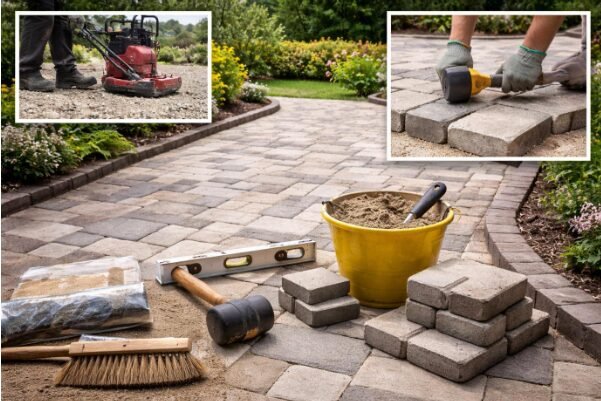
How to Choose the Right Equipment for Your Home or Construction Project

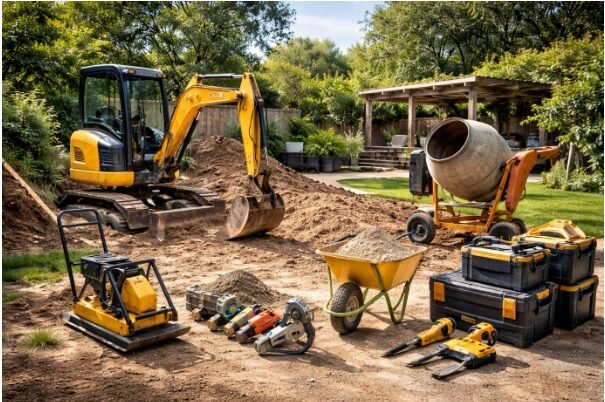
Selecting the correct equipment is one of the most important decisions when planning a home improvement or construction project. Whether you are tackling a garden renovation, an extension, or a larger building job, the tools and machinery you use will directly affect efficiency, safety, and overall results. Making informed choices helps keep projects on schedule while avoiding unnecessary costs or delays.
Many homeowners and contractors turn to professional hire services such as Eveready Hire in Colchester to access a wide range of well maintained equipment without the expense of purchasing machinery outright. Hiring allows you to match the right tools to the specific demands of each stage of work, ensuring better outcomes from start to finish.
This guide explains how to assess your project needs, choose suitable equipment, and work safely and effectively throughout the process.
Understand the Scope of Your Project
Before selecting any equipment, it is essential to define the scale and complexity of the work involved. A small domestic task will require very different tools compared to a full construction project.
Consider the following factors:
- The size of the area being worked on
- The type of materials involved
- The duration of the project
- Access limitations such as narrow driveways or gardens
Having a clear understanding of these details will help you identify what equipment is truly necessary and prevent over hiring or underestimating requirements.
Match Equipment to the Task
Using equipment that is specifically designed for the job improves both efficiency and safety. Trying to complete heavy duty tasks with unsuitable tools can lead to poor results and increased risk of accidents.
For example:
- Excavation work benefits from compact diggers or breakers
- Ground preparation often requires mixers or compactors
- Lifting tasks may need access equipment or handling tools
- Landscaping projects may require specialist cutting or levelling machinery
Selecting the correct machinery ensures that work progresses smoothly and to a professional standard.
Consider Space and Accessibility
Not all projects offer unlimited space, especially in residential settings. Equipment size and manoeuvrability should always be considered before making a decision.
Ask yourself:
- Can the equipment access the site easily
- Is there sufficient space to operate safely
- Will it cause disruption to neighbouring properties
Compact and versatile machinery is often ideal for home projects, while larger sites may accommodate heavier equipment with ease.
Think About Duration and Frequency of Use
Hiring equipment is often more cost effective than buying, particularly for short term or one off projects. Purchasing machinery can involve high upfront costs, storage challenges, and ongoing maintenance responsibilities.
Hiring allows you to:
- Use equipment only when needed
- Avoid long term storage issues
- Access modern and well serviced machinery
- Adjust equipment choices as the project evolves
This flexibility makes hire solutions suitable for both homeowners and professionals.
Prioritise Safety and Compliance
Safety should always be a top priority when working with construction equipment. Choosing the right machinery includes ensuring it meets current safety standards and is suitable for the operator’s level of experience.
Key safety considerations include:
- Proper training or instruction
- Availability of safety features and guards
- Use of personal protective equipment
- Clear operating instructions
Responsible equipment selection reduces the risk of accidents and helps maintain a safe working environment.
Seek Expert Advice When Unsure
If you are unsure which equipment best suits your project, professional guidance can be invaluable. Experienced hire providers understand how different tools perform in real world conditions and can recommend suitable options based on your requirements.
Expert advice can help you:
- Avoid hiring unnecessary equipment
- Select tools that improve productivity
- Identify potential challenges before work begins
- Plan equipment use efficiently across project stages
This support is especially useful for complex or unfamiliar tasks.
Maintain Equipment During Use
While hired equipment is typically well maintained before collection, users also have a responsibility to operate machinery correctly during the hire period. Proper use helps ensure reliability and prevents damage.
Good practice includes:
- Following operating instructions carefully
- Conducting basic checks before use
- Keeping equipment clean and free from debris
- Reporting any issues promptly
These steps help maintain performance and avoid unnecessary downtime.
Balance Cost With Quality
While budget is always a consideration, choosing the cheapest option is not always the best approach. Poor quality or unsuitable equipment can slow progress and increase the likelihood of mistakes.
Instead, aim to balance cost with reliability by selecting equipment that:
- Matches the job requirements accurately
- Is known for durability and performance
- Comes from a reputable hire provider
Investing in the right equipment often saves money in the long term by reducing delays and rework.
Final Thoughts
Choosing the right equipment is a crucial part of any successful home or construction project. By understanding the scope of work, matching tools to tasks, and prioritising safety, you can achieve better results with less stress. Hiring equipment offers flexibility, cost efficiency, and access to professional grade machinery when it matters most.
Working with experienced providers such as Eveready Hire in Colchester allows homeowners and contractors to approach projects with confidence. With the right equipment in place, projects can be completed efficiently, safely, and to a high standard, delivering lasting results that meet both practical and aesthetic goals.