11 Japandi Bathroom Design Ideas

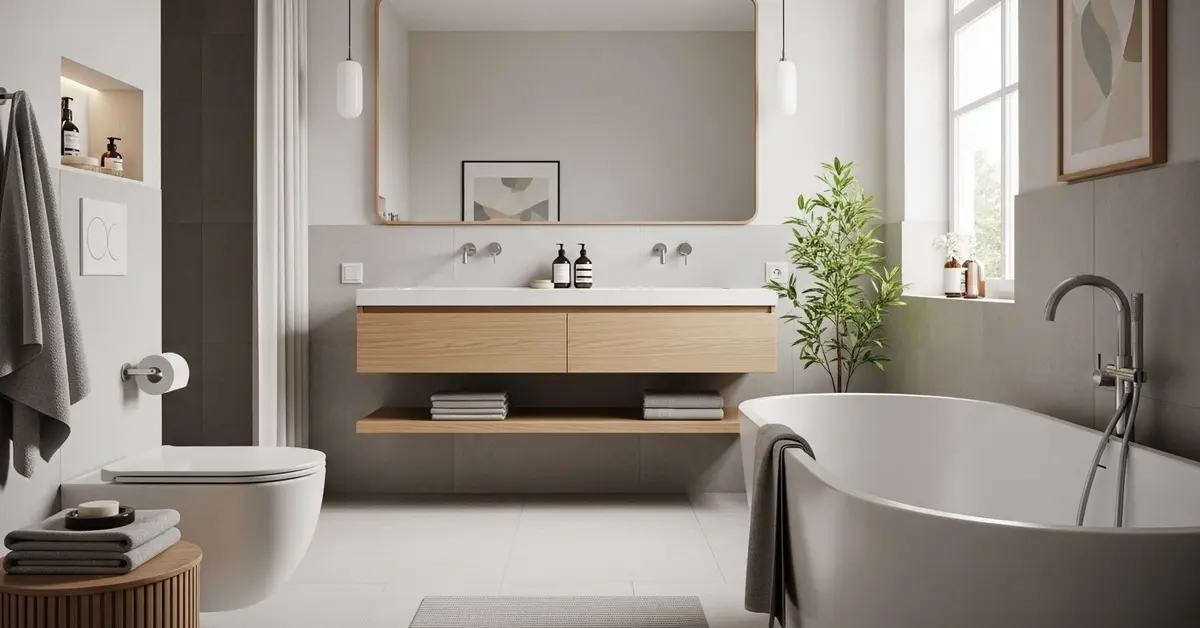
Japandi design combines the best of Japanese simplicity and Scandinavian practicality. The result is a bathroom that feels calm, uncluttered, and functional. If you want a space that helps you relax while staying modern and easy to use, Japandi is the right style. Here are 11 ideas to transform your bathroom with this design philosophy.
1. Focus on Clean Lines and Simple Shapes
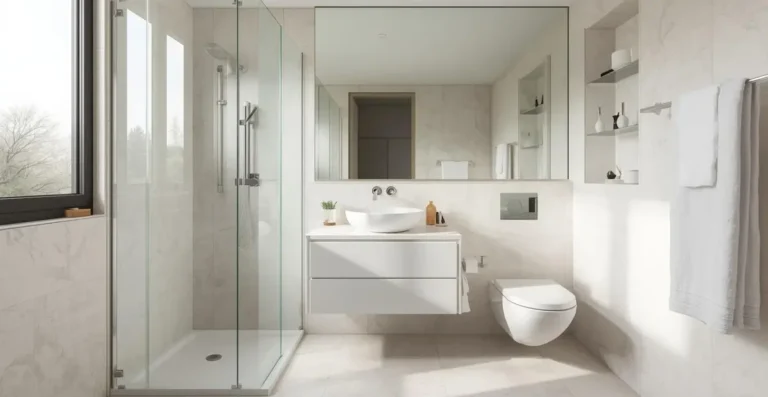
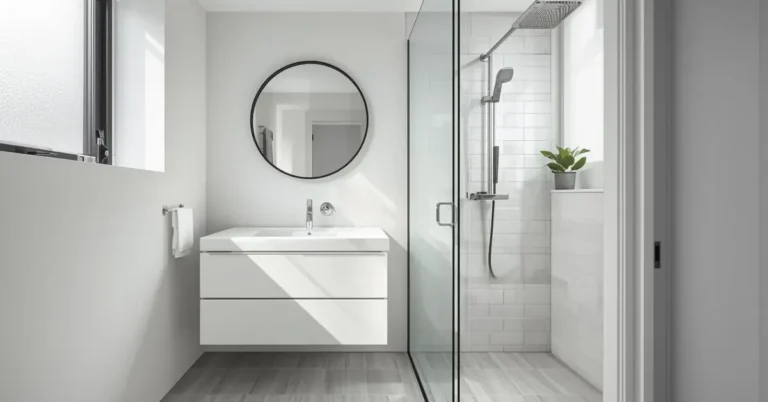
A Japandi bathroom begins with structure. The first step is removing anything that doesn’t serve a purpose. This means choosing fixtures, sinks, and bathtubs with clean edges and simple shapes. Avoid ornate details or complicated carvings. Instead, pick a vanity with straight lines, a floating sink, or a minimalistic bathtub. Clean lines make the bathroom feel larger and calmer. They create a sense of space even in small bathrooms. This simplicity also makes cleaning easier, which adds to functionality.
2. Neutral Colors That Promote Calmness
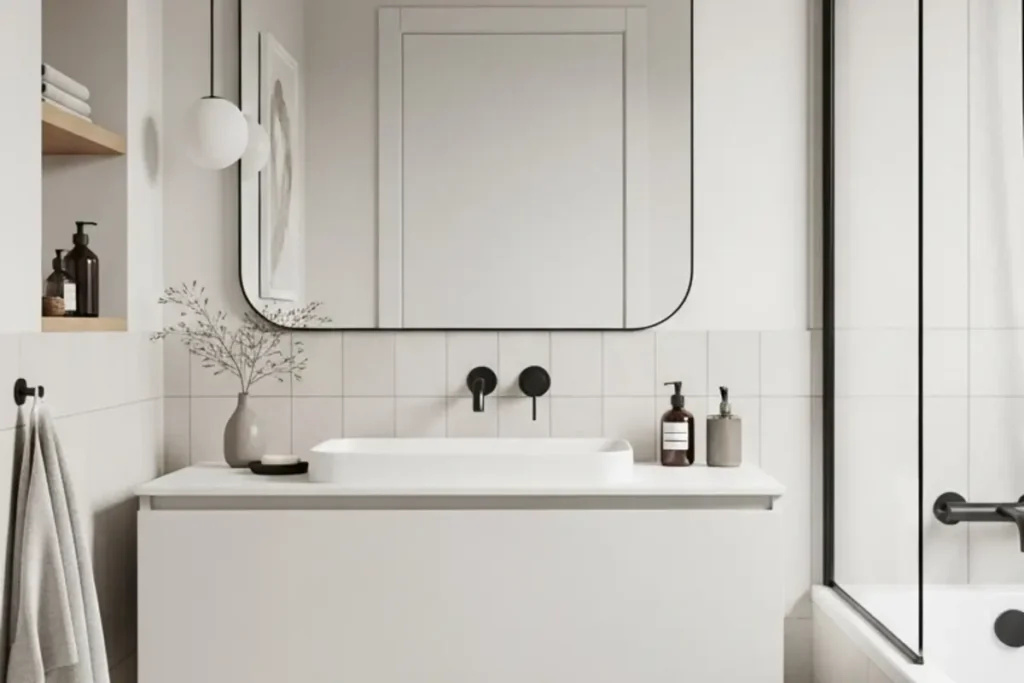
Color in Japandi design is all about neutral tones. Soft whites, light grays, and warm beiges are common. These shades create a serene background where natural textures can shine. Darker accents, like charcoal or muted black, can be used sparingly on faucets or frames. Avoid bright or flashy colors, as they disturb the calm atmosphere. The goal is a space that feels like it belongs to you every day, not a space that overwhelms your senses.
3. Use Natural Wood Wisely
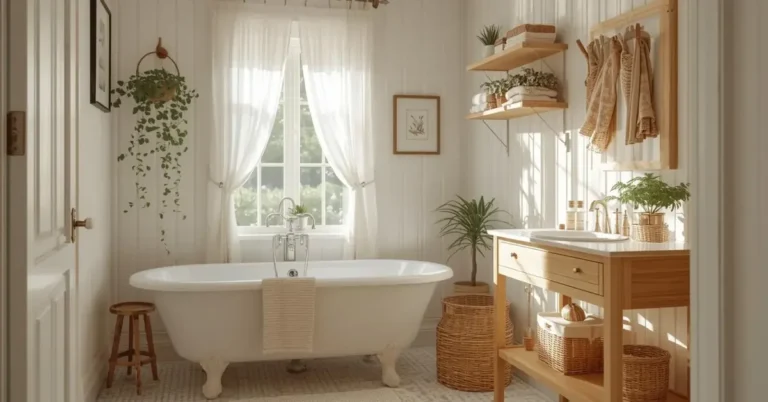
Wood is a key element in Japandi bathrooms. Scandinavian design favors light wood, while Japanese design sometimes leans toward darker tones. Combining the two creates balance. Wooden shelves, vanity tops, or wall panels can bring warmth to the room. Keep the wood simple and matte; glossy finishes can clash with the understated feel. Wood also works well with stone or ceramic tiles, giving the bathroom texture without clutter. Properly sealed wood adds functionality because it resists moisture and wear.
4. Let Light Flow Freely
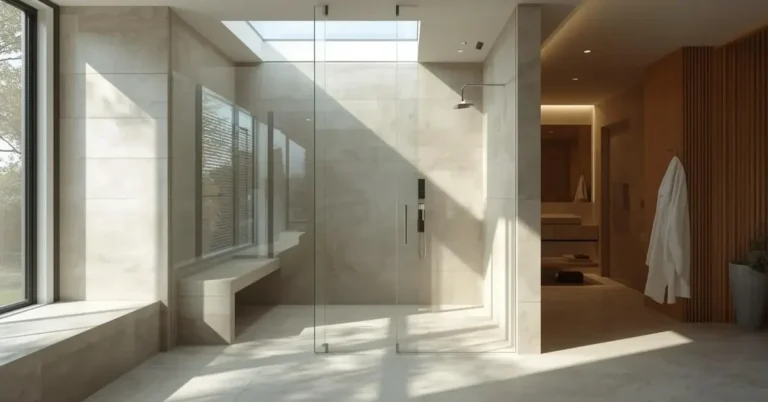
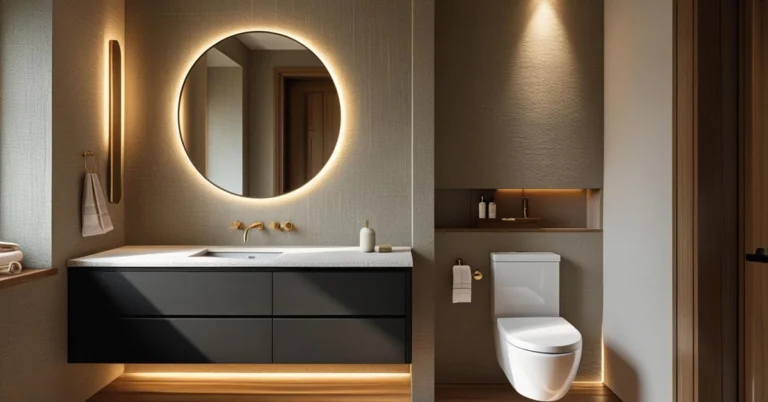
Lighting in a Japandi bathroom should feel natural. Large windows or skylights are ideal, but not always possible. If natural light is limited, choose soft, diffused lighting. Avoid harsh overhead lights that cast strong shadows. Wall-mounted lights or hidden LED strips behind mirrors can add warmth. The key is layering light sources so the bathroom doesn’t feel flat. Light should enhance the calm and highlight textures like wood or stone.
5. Minimalism in Storage Solutions
Storage in Japandi design is practical, not decorative. Open shelving or floating cabinets can keep essentials organized without crowding the room. Avoid too many containers or baskets. Each item should have a purpose and a place. Simple drawers, medicine cabinets, or under-sink storage are enough. This approach keeps countertops clear, which adds to the feeling of space. When storage is minimal but functional, the bathroom feels tidy without constant effort.
6. Integrate Natural Textures
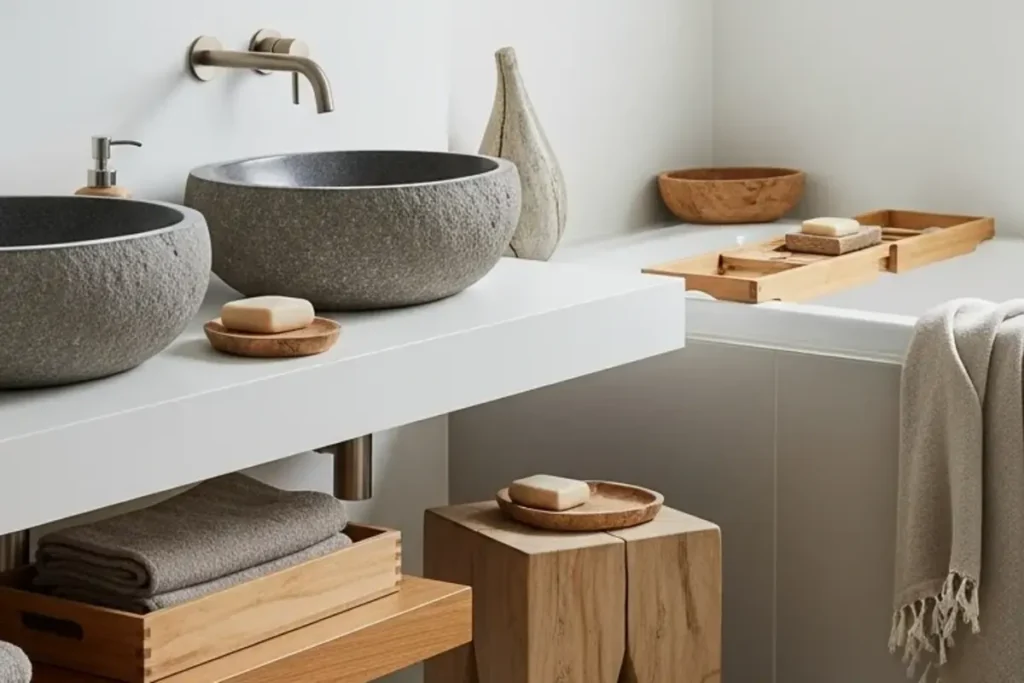
Texture is subtle but important in Japandi bathrooms. Smooth stone sinks, wooden trays, woven mats, or linen towels all create layers of interest without being flashy. Textures should feel natural and unprocessed. For instance, a raw wood stool or a stone soap dish fits better than shiny, plastic alternatives. Natural textures give the bathroom depth and warmth. They also make daily routines more pleasant because your hands and eyes interact with materials that feel real and grounded.
7. Balance Between Open Space and Function
A Japandi bathroom avoids overcrowding. Each element has space around it to breathe. This doesn’t mean emptiness; it means intentional placement. The bathtub should have a clear area around it, the sink should not be cluttered, and walking paths should be free. Balance comes from arranging fixtures so the room flows naturally. You should be able to move comfortably, open drawers without obstruction, and step in and out without bumping into furniture.
8. Subtle Japanese Influence
Japanese design often uses asymmetry and natural imperfection. Incorporating this into a Japandi bathroom adds interest. A slightly uneven wooden shelf, a hand-thrown ceramic soap dish, or a bamboo plant introduces Japanese sensibilities. The key is subtlety. You don’t want the room to feel like a Japanese spa replica. Small touches like this create a sense of mindfulness and connection to nature.
9. Scandinavian Functionality
Scandinavian design emphasizes practicality. Heated floors, a wall-mounted towel rack, or a floating vanity are typical features. These details improve daily routines. Even small features like a soap dispenser designed for easy refill or a mirror with integrated lighting show attention to usability. Functionality ensures that the bathroom is not only calm but also efficient. Every element should serve a purpose without adding visual noise.
10. Greenery for Freshness
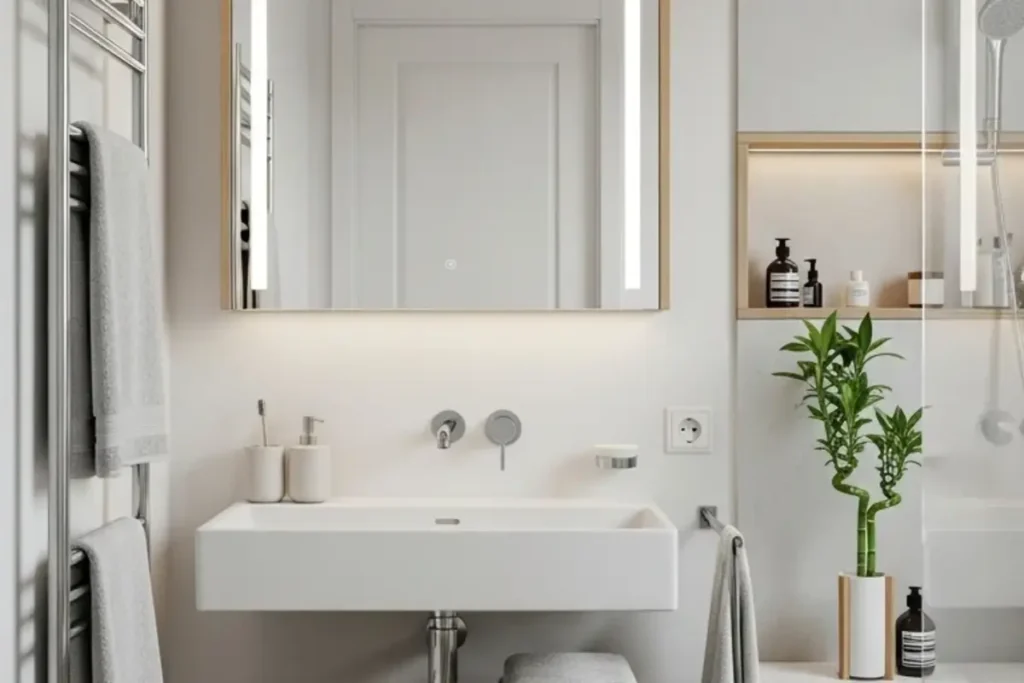
Plants in the bathroom are more than decoration. They purify the air, reduce humidity, and introduce a natural element that complements Japandi’s organic aesthetic. Choose plants that thrive in moisture and low light, such as ferns or small bamboo. Place them in simple ceramic pots or wooden holders. Avoid overly decorative planters. The greenery should feel like a natural extension of the design, not an afterthought.
11. Keep the Mindset of Simplicity
Finally, Japandi is as much a mindset as a style. The bathroom should feel like a retreat from everyday chaos. Avoid excess decorations, large logos, or flashy designs. Each object should support calmness, functionality, and beauty in simplicity. Maintenance becomes easier, and the space continues to feel balanced over time. The mindset of simplicity ensures that even small bathrooms feel spacious and intentional.
Bringing It All Together
Japandi bathroom design works because it blends the quiet minimalism of Japan with the practical warmth of Scandinavia. Every choice, from the color palette to the materials, focuses on calm, function, and natural beauty. The design doesn’t rely on trends, expensive materials, or over-decoration. Instead, it creates a space where everyday routines feel easier and more enjoyable. By focusing on simplicity, natural textures, and balanced light, you can transform a regular bathroom into a peaceful, functional retreat.
Even in small bathrooms, Japandi principles work. Prioritize open space, functional storage, and natural elements. Let each item serve a purpose while contributing to calm. Over time, this approach not only creates a beautiful space but also improves the experience of using it daily. A Japandi bathroom isn’t just a look; it’s a way to make one of the busiest rooms in your home a place of peace.