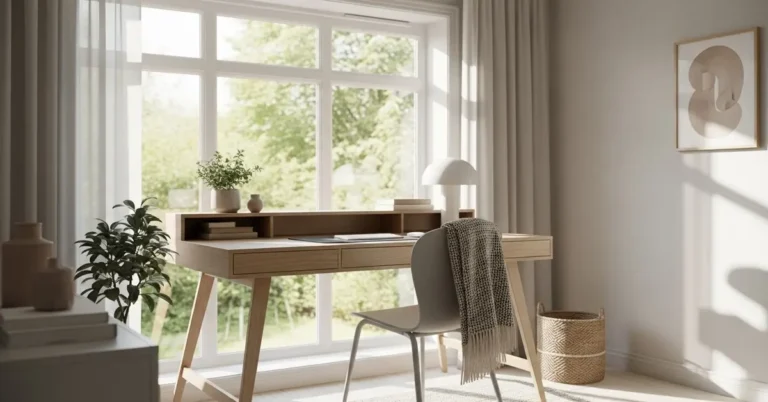
10 Decor Ideas to Convert Your Home Office into a Moody Home Office

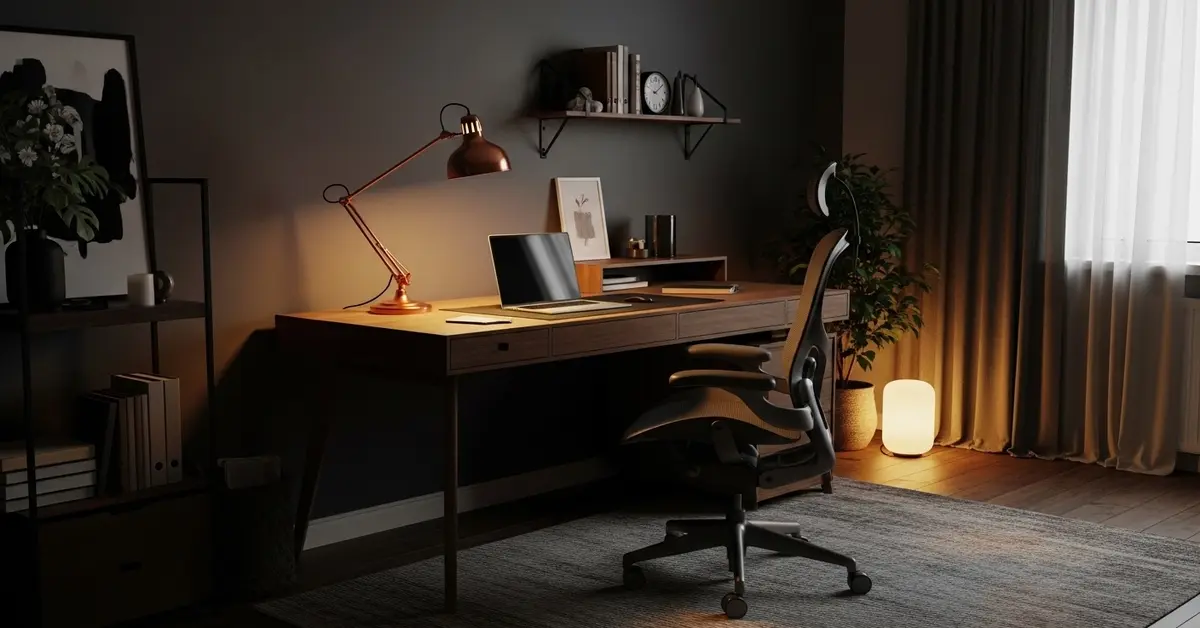
Creating a moody home office is more than just picking dark colors or adding a dim lamp. It’s about crafting a space where you feel focused, calm, and inspired. A moody home office brings depth, warmth, and character to your workday. It’s a place that encourages productivity without feeling stark or cold. With careful choices in lighting, furniture, and decor, your office can become a retreat where work feels easier and more enjoyable. Here are ten ideas to help you convert your home office into a moody, functional space.
1. Choose Deep, Calm Wall Colors
The first step to achieving a moody office is the walls. Deep colors create a sense of calm and focus, helping your mind settle into work. Dark greens, navy blues, or muted charcoals work well because they reduce distractions and make your space feel intimate. Matte finishes tend to enhance the moody effect more than glossy paints because they absorb light instead of reflecting it. If painting all the walls feels too heavy, consider one accent wall behind your desk. This adds depth without making the room feel small. Pairing these dark colors with lighter tones in furniture or accessories can prevent the space from feeling oppressive.
2. Invest in Strategic Lighting
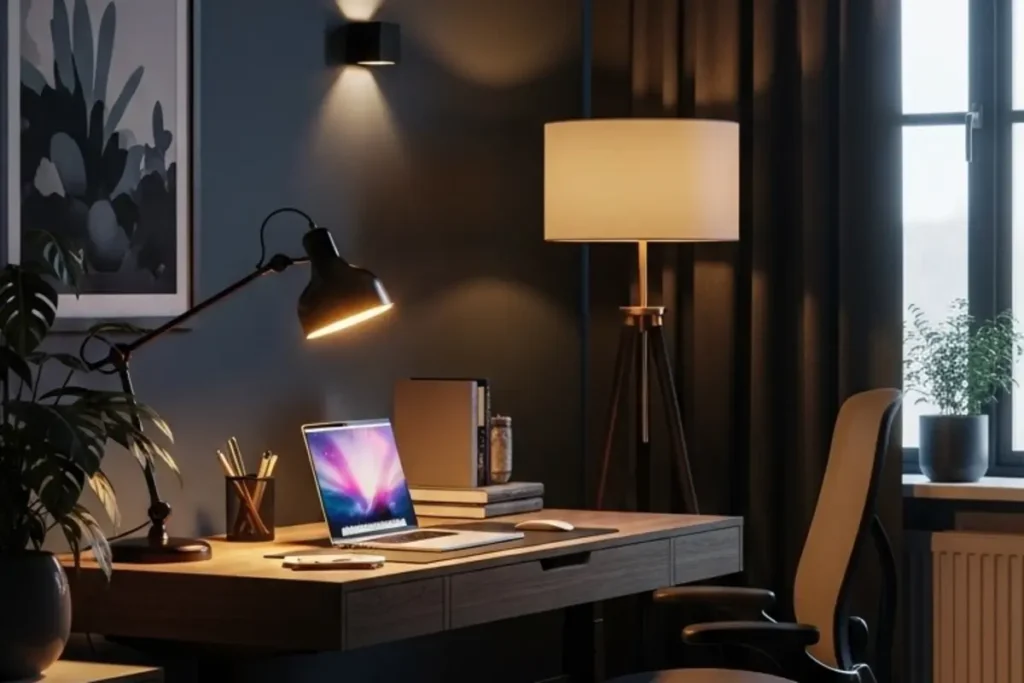
Lighting is critical in a moody home office. Overhead fluorescent lights can ruin the mood, making the room feel harsh and uninviting. Instead, opt for layered lighting. A combination of desk lamps, floor lamps, and wall sconces can create pockets of light where you need it most. Warm LED bulbs are ideal because they mimic natural light without being too bright. Position a small lamp near your work area to reduce eye strain and add a cozy glow. If possible, make use of natural light during the day. Dark curtains or blinds can help you control brightness without losing the soft, moody effect.
3. Bring in Texture with Fabrics
Texture can turn a simple office into a comfortable, layered space. Adding soft rugs, velvet cushions, or heavy curtains helps create warmth in a dark room. Even a simple throw over a chair can make the area feel more inviting. Textured materials prevent moody rooms from feeling cold or flat. A fabric wall hanging or a thick rug under your desk adds both visual and physical comfort. Mixing textures, like pairing smooth wood with rough linen or soft wool, makes the room feel dynamic without overwhelming the senses.
4. Select Functional, Dark Wood Furniture
Furniture sets the tone for a moody home office. Dark wood desks and shelves offer richness and grounding energy to the space. They pair well with deep wall colors and bring a sense of permanence to the room. Choose pieces that are both functional and minimal in design. A desk with clean lines and a sturdy chair will keep your space uncluttered while maintaining the moody aesthetic. Avoid overly ornate furniture, which can compete with the calming effect you’re aiming for. Think about how each piece serves your workflow, not just how it looks.
5. Use Minimal and Purposeful Decor
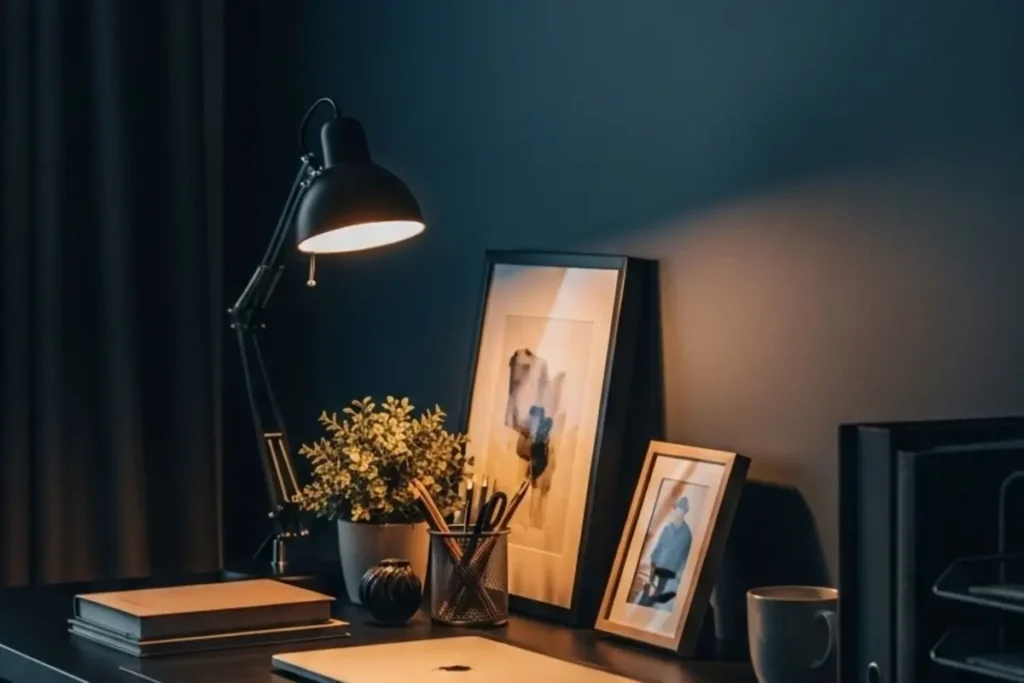
Decor in a moody office should be purposeful. Each object should have a role, whether it’s functional or inspiring. Instead of crowding shelves with random items, choose a few pieces that reflect your personality and work style. A framed photo, a small plant, or an art print can add life without distracting from the dark, focused vibe. Keep surfaces mostly clear so your mind feels free. In moody spaces, less is more, and simplicity often encourages concentration and calm.
6. Incorporate Greenery Thoughtfully
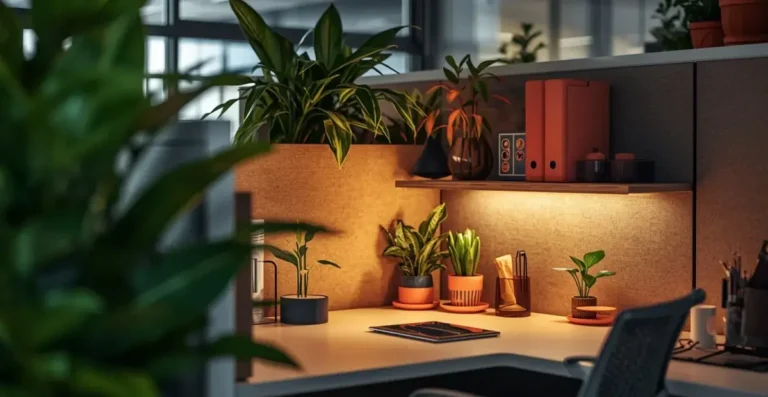
Plants add life and texture to a moody office while maintaining a grounded, natural feel. Low-maintenance plants like snake plants, ZZ plants, or small ferns work well because they don’t demand constant attention. Place them in dark or neutral pots that blend with the room’s color palette. Plants soften the room’s edges and prevent it from feeling too heavy or cold. Even one carefully chosen plant can make a noticeable difference in the atmosphere, creating a subtle connection with nature that supports focus and relaxation.
7. Layer Artwork and Personal Touches
Art can anchor a moody home office. Choose pieces that complement your color scheme, like black-and-white photographs, dark abstracts, or muted paintings. Avoid overly bright or flashy pieces, as they can disrupt the calming mood. A gallery wall above your desk or a single striking piece on a side wall adds depth and personality. You can also include personal touches that inspire you, such as framed notes, certificates, or mementos. These elements make your office feel uniquely yours while maintaining the focused, moody aesthetic.
8. Add Ambient Sound and Scent
Moody offices engage more than just the visual senses. Sound and scent can shape your mood and productivity. Soft background music, like acoustic or instrumental tracks, can make the space feel calm without distracting you. Similarly, scented candles or diffusers with subtle fragrances such as sandalwood, cedar, or lavender can create a sensory environment that encourages focus. Avoid overpowering scents, which can be tiring or distracting. The goal is to complement the space with gentle, consistent sensory cues that enhance the moody vibe.
9. Keep Technology Organized and Out of Sight
Technology is essential in a home office but can disrupt a moody aesthetic if not managed carefully. Hide cords and keep devices like printers or chargers out of view whenever possible. Wireless accessories, cable organizers, and minimal tech setups reduce visual clutter. Even small screens, like a tablet or laptop, should have a designated spot that doesn’t dominate the room. A clean, uncluttered workspace reinforces the moody, calm atmosphere while keeping your attention on the work at hand.
10. Focus on Personal Comfort and Ergonomics
A moody home office should be a space you can spend hours in without discomfort. Ergonomics play a vital role in both productivity and mood. Invest in a chair that supports your posture and a desk at the correct height. Footrests, wrist supports, and adjustable seating options make a big difference. Comfort doesn’t just mean physical ease; it also involves how the space feels emotionally. A cozy blanket over a chair, a small cushion, or the ability to adjust lighting and temperature helps the room feel like a personal retreat. When your office is comfortable and moody, you’re more likely to work efficiently and stay focused.
Final Thoughts
Converting your home office into a moody space doesn’t require major renovations. It’s about thoughtful choices in color, lighting, texture, and decor that create a calm, focused atmosphere. Deep wall tones, layered lighting, textured fabrics, and purposeful furniture transform a simple office into a retreat where work feels natural. Adding plants, art, and personal touches completes the space without breaking the mood. When executed carefully, a moody home office enhances productivity, reduces stress, and makes working from home a more enjoyable experience.
Every decision, from wall color to chair comfort, should support the goal of focus and calm. This approach ensures your moody home office is not just visually appealing but also functional and welcoming. By layering these elements thoughtfully, your workspace becomes a place you want to be, reflecting both your personality and your professional needs.